
The first 1001 days are a critical period for a baby, during which their experiences significantly shape their emotional and physical wellbeing.
Positive early parent-infant interactions have been shown to promote secure attachment predicting resilience, self-worth and positive outcomes in child development.
By strengthening relationships, we aim to improve the mental health of both parent/caregiver and infant.
Funded by Best Start in Life, through Kent County Council (KCC), the PAIRS service is delivered in partnership with Real Group Ltd, an experienced team of psychologists and psychotherapists dedicated to providing high-quality care to families across the county.
We recognise that while the transition to parenthood is rewarding, it can also be deeply challenging.
The Parent and Infant Relationship Service (PAIRS) is here to provide therapeutic help for primary caregivers finding it difficult to understand or connect with their infant.
Together, KCC and PAIRS are committed to creating lasting, positive change for our community.
Our core objectives are to:

We offer a range of therapeutic approaches to respond to the needs of families and support parent-child relationships. Our clinicians have core therapeutic training and have developed specialised expertise working with parents and babies.
This will include parent-infant psychotherapy and perinatal psychology. You can find out more about what these terms mean below.
Specific interventions may also include Video Interaction Guidance (VIG) and Circle of Security (CoS).
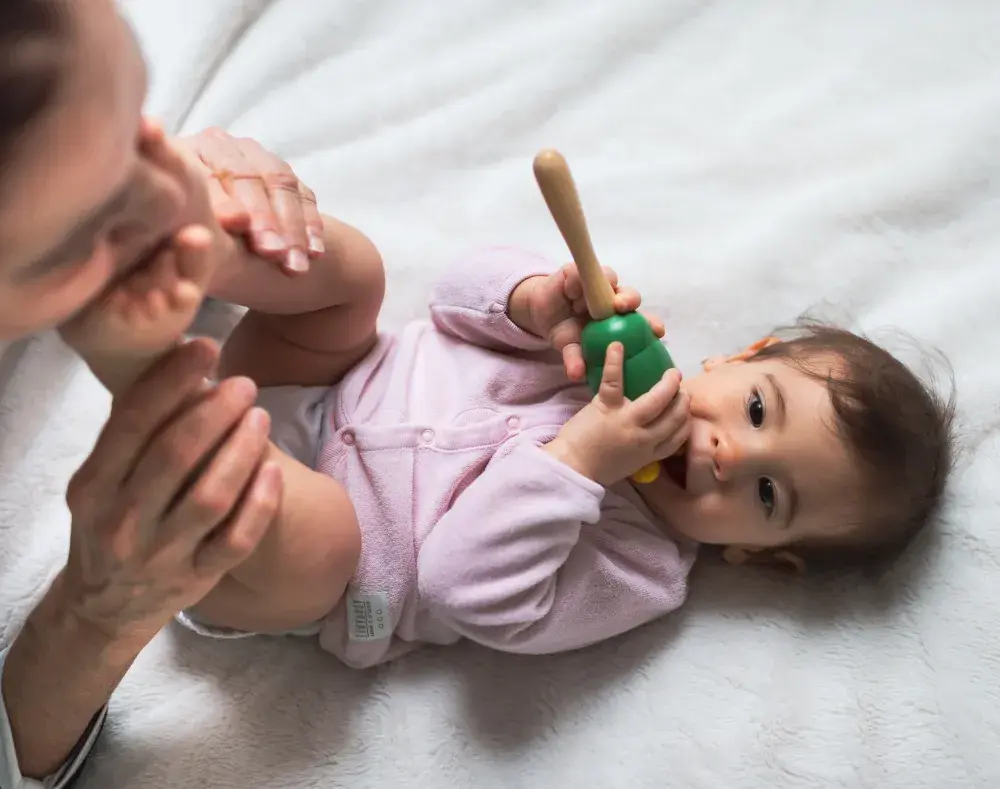
The aim of Parent-Infant Psychotherapy (PIP) is to support the development of a healthy relationship between parents/caregivers and their infant.
Babies are born with the ability to communicate, but understanding what their ‘language’ means is easier said than done.
This therapy helps to make sense of the impact the baby has on the parent and vice-versa. This might involve helping parents understand that their reactions to crying and other cues may be influenced by their own early life and relationships. By thinking about the parent-child relationship, PIP can help parents respond more sensitively to their child’s needs, supporting a positive start to family life.
Draws upon: Attachment therapy, psychoanalysis
Perinatal psychologists deliver support based on talking therapy, such as Cognitive Behavioural Therapy (CBT). It is adapted for parents/caregivers from the point of pregnancy up to the second year of their child’s life.
The psychologist maintains a 'perinatal frame of mind', holding the needs of the parent, the infant and their relationship at the forefront of the therapeutic work.
The therapy maintains a relationship-focus but also explores parent/carer emotional and psychological issues, including postnatal depression, anxiety, OCD, PTSD and birth trauma.
Draws upon: Attachment therapy, compassion-focused therapy, a psychodynamic approach, perinatally adapted CBT.
Find out more by watching the video produced by Circle of Security International.
Find out more by watching the video produced by Kent Educational Psychology Service.
Our supportive team is made up of experienced psychologists and psychotherapists.
We understand that reaching out for help for you and your baby can sometimes feel daunting. Our clinicians are here to support you with compassion, curiosity, and sensitivity. We hope to build a trusting therapeutic relationship, working together to help you achieve your goals.

Dr Emma Turner is a child and adolescent psychoanalytic psychotherapist who has worked in child and adolescent mental health for over 20 years. Emma is a full member of the Association of Child Psychotherapists (ACP) having qualified via the doctoral clinical training at the Tavistock clinic in 2011. She has extensive experience of working with infants, children and adolescents, as well as working together with parents.
Currently Emma is providing parent infant psychotherapy and staff support on a neonatal intensive care unit. She has extensive experience in leadership positions in the National Health Service (NHS) and specialist parent infant experience in a range of settings such as a mother and baby psychiatric unit, parent infant mental health service and perinatal mental health service.
Emma has previously been a visiting lecturer at the Anna Freud centre and Roehampton University teaching infant observation at Masters level. She has completed training to code disrupted communication on the Ambiance Brief Measure and is qualified to provide Couple Therapy for Depression (CTfD) with a Perinatal focus. She recently trained in Compassion Focused Staff Support and EMDR.

Sara Roberts is a chartered counselling psychologist with over 20 years of working experience in NHS settings. She is a registered practitioner psychologist with the Health and Care Professionals Council (HCPC) and the British Psychological Society (BPS), She has worked in several NHS mental health settings including primary care, community teams and specialist eating disorder team. For the last 5 years she has been the joint lead psychologist for an expanding perinatal service in London. She provides supervision for psychologists, CBT therapists and trainees.
Sara has worked with a wide range of difficulties including depression, anxiety, low self esteem, eating difficulties, post-traumatic stress disorder (PTSD) and childhood trauma. She has developed a specialism in perinatal mental health and the transition to parenthood. This includes a strong interest in attachment, infant mental health and the parent-infant relationship.
Sara’s approach is integrative, having complete training in cognitive behavioural therapy, EMDR and specialist additional training in perinatally-adapted CBT, mindfulness, compassion focussed treatment and couples therapy for depression.
For specialist parent-infant work, Sara has undertaken training in Video Interactive Guidance (VIG) and Circle of Security parenting.
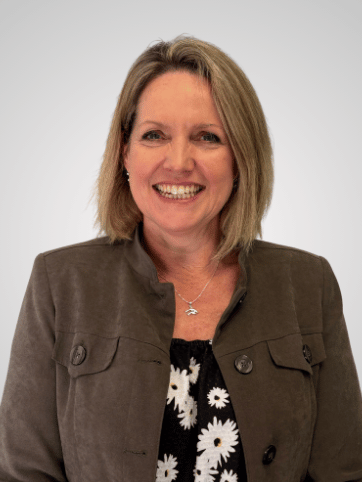
Sarah is a senior educational psychologist with over 10 years of experience working within a local authority and 20 years of experience in the education sector. Her interests lie in positive psychology approaches and looking at the conditions required for children and adults to flourish.
Sarah has worked extensively with pre-school children and their parents/carers. She has an interest in understanding the contribution of strong parent-infant attachment and attuned relationships on the education and wellbeing of children when they reach primary and secondary school age.
Sarah is a chartered member of the British Psychological Society, an accredited practice supervisor (Register of Applied Psychology Practice Supervisors) and professional-level coach (European Mentoring and Coaching Council).
Her current interests include: improving the wellbeing and development of education staff and allied professions through supervision and coaching, supporting parent-infant relationships and ELSA training and supervision.
Start for Life is a component of the Family Hubs model with a specific focus on the first 1001 days, between conception and the age of two, essential for the healthy development of babies Family Hubs and Start for Life programme.
This focus for support was identified by the Dame Andrea Leadsom Review in 2020 and further articulated in March 2021 in publication of The Best Start for Life: A Vision for the 1,001 critical days.
There are three key areas of government grant funding relating to Start for Life:
1) infant feeding
2) perinatal mental health
3) parent infant relationships

PAIRS is a service commissioned by Kent County Council and delivered by Real Group Ltd.
2026 Real Group Ltd. All Rights Reserved.